
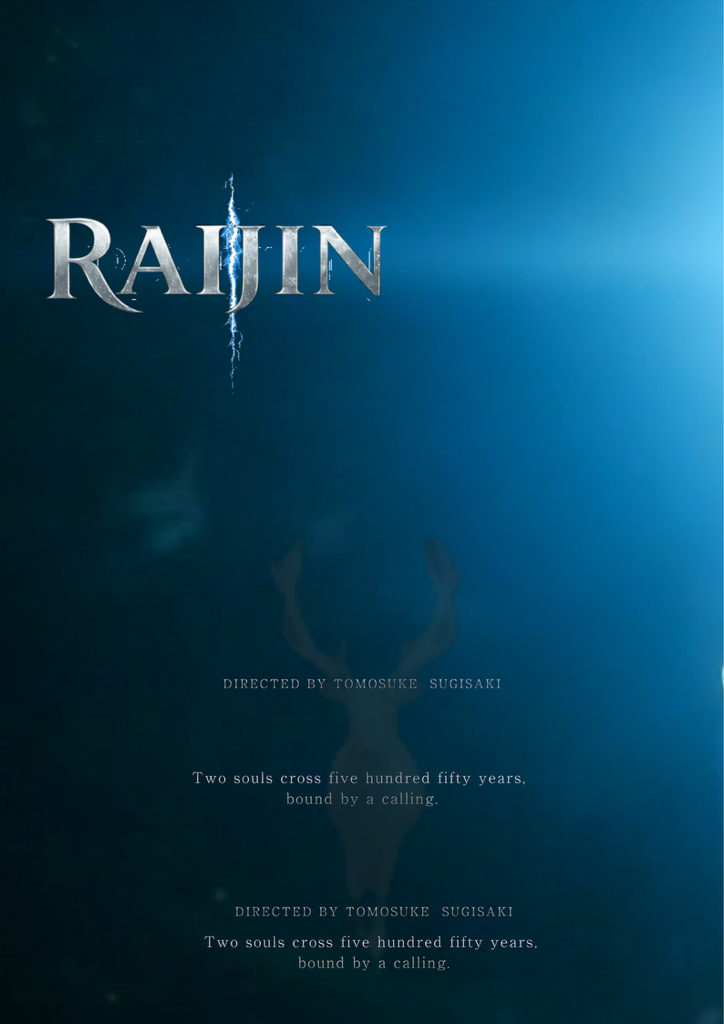
杉崎智介監督作品 映画『千年湯屋』オフィシャルサイト

Official website of the film "RAIJIN" directed by Tomosuke Sugisaki




あらすじ
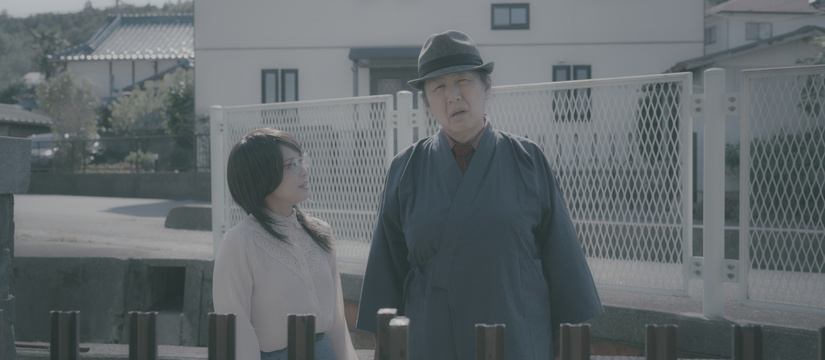
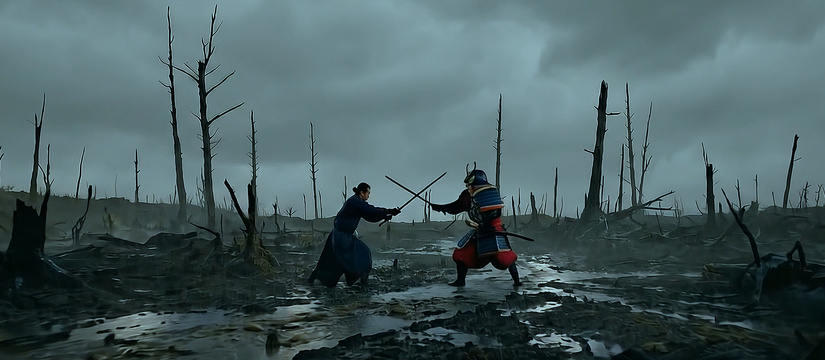
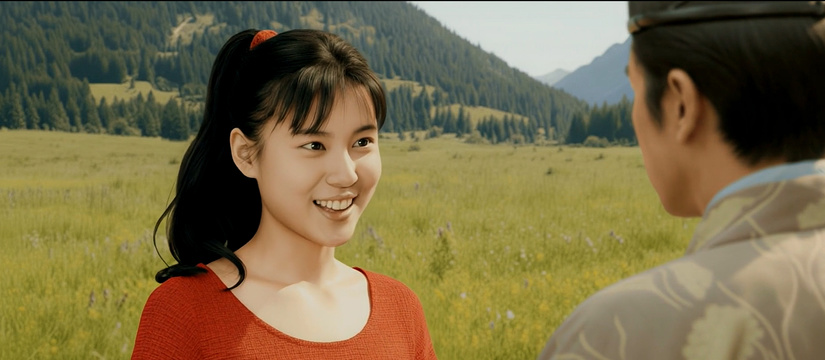
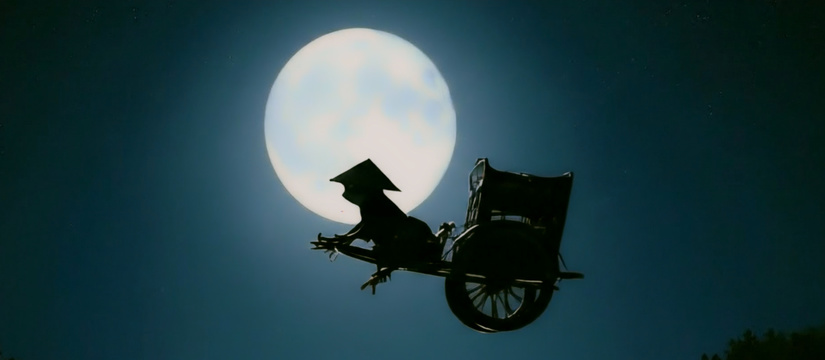
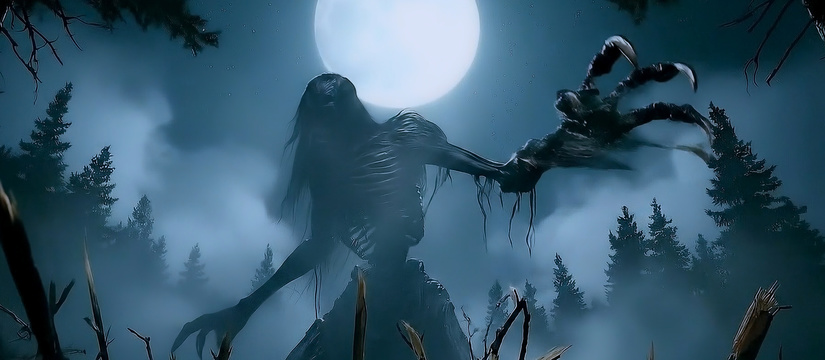
 東都ラジオに努める小杉麻里(ReeSya)は会社からの指示で放送作家の山吹氷(杉崎智介)を訪ねる。山吹はトュレット症という精神疾患を持っており、加えて他人とのコミュニケーションが上手くできないという難点があった。戸惑いながらも麻里は氷と打ち解けていくのだが、ある日氷から「千年湯屋」の話を聞かされる。それはこの世とあの世の境にある不思議な湯屋であった。ところがその直後、氷は失踪する。縄文笛という不思議な笛を麻里に預けて。笛を頼りに麻里の冒険の旅が始まる。そして麻里が辿り着いた先は550年前の戦国時代であり、そこには変わり果てた氷の姿があった。氷を助けるためには麻里は過去世の記憶を呼び戻さなければならない。
Official Website Synopsis
Mari Kosugi (ReeSya) works at Toto Radio. Acting on a company request, she visits the reclusive radio scriptwriter Koori Yamabuki (Tomosuke Sugisaki), a man living with Tourette syndrome and struggling to communicate with others. Though hesitant at first, Mari gradually begins to connect with him.
One day, Koori tells her about the “Thousand-Year Bathhouse,” a mysterious place said to exist on the boundary between this world and the next. Soon after, he vanishes without a trace, entrusting Mari with a strange flute known as the Jomon Flute.
Guided by the flute’s call, Mari sets out on an extraordinary journey that leads her 550 years into the past, to Japan’s Sengoku era. There, she encounters a profoundly changed Koori. To save him, Mari must awaken the memories of her past life and confront a fate that transcends time and worlds.
監督からのメッセージ
歴史の記録は常に勝者の手にあります。敗者は悪として歴史の表舞台から葬られるのは想像に難くありません。しかし後世において歴史研究家や歴史マニア、あるいは作家によって、歴史の勇者がその雄姿を現代に示すことがあります。それは時代の要請でもあるのです。「こんな世の中に誰がした…」と恨めしく思うことが誰にでもあるのではないでしょうか。国を思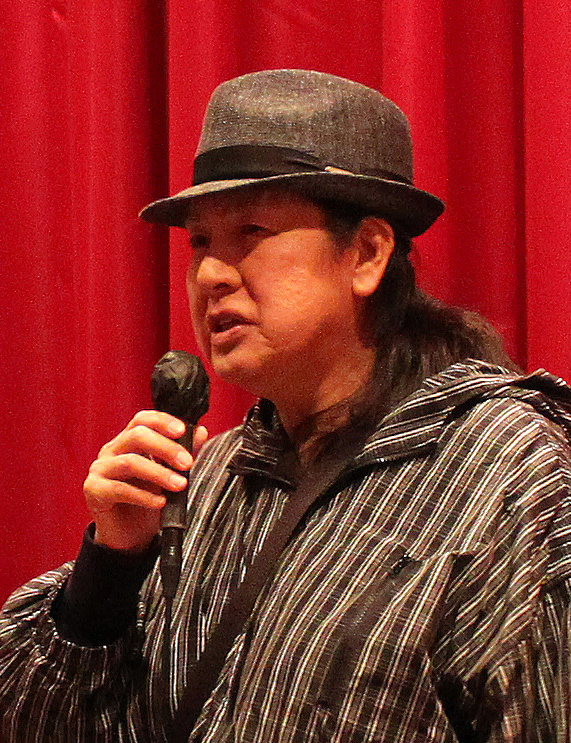 Tomosuke Sugisakiい人を救い自らは大悪党として消えて行った人物は少なくないでしょう。日本が戦国時代と言われた15世紀から17世紀。その始まりに城つくりの天才、戦神(いくさがみ)と呼ばれた武将がいました。彼の名は長尾景春。その類まれな築城能力は現代の城址からうかがえます。しかしその人物像は正しく伝わっていない。また没年とされる後に各地の戦に参戦し大暴れした記録が多々あります。そして秩父熊倉山での見事な最期は伝説になっています。私は長尾景春の生き様に惹かれ、高校時代に熊倉山を歩きました。郷土資料館や土地の人たちに取材をし、私なりの結論にいたりました。それが本作『千年湯屋』です。この物語はファンタジーですが実際に土地に残る伝説をもとに書き上げています。にほんで唯一、あらゆる時代にいかなる落人をも匿った山の伝説を皆さんにお届けします。
Message from the Director
History is always written by the victors.
It is easy to imagine how the defeated are cast as villains and erased from the main stage of history. And yet, in later generations, historians, history enthusiasts, or writers sometimes bring these so-called heroes of history back to life, revealing their true figures to the modern world. This, too, is a demand of the times.
Haven’t we all, at some point, found ourselves thinking, “Who made the world the way it is?”
There are many who loved their country, sought to save others, and yet vanished from history branded as great villains.
From the 15th to the 17th century, the period known in Japan as the Sengoku era, there lived a warrior at its dawn who was called a genius of castle construction and revered as a god of war. His name was Nagao Kageharu. His extraordinary talent for fortification can still be seen today in the remains of castles across the land. Yet his true character has never been accurately conveyed.
There are numerous records of him taking part in battles and wreaking havoc long after the year said to mark his death. And his magnificent final moments on Mount Kumakura in Chichibu have become legend.
I was drawn to the way Nagao Kageharu lived his life, and while still in high school, I walked the paths of Mount Kumakura myself. I interviewed local historians, visited regional archives, and spoke with people of the land, eventually arriving at my own conclusion. That conclusion became this film, RAIJIN.
While this story is a work of fantasy, it is rooted in legends that truly remain in the region.
We present to you the legend of a mountain—said to be unique in Japan—that sheltered all fallen warriors, from every era, without exception.
杉崎智介監督/プロフィール
1963年東京生まれ。幼いころから雑木林や果樹園で遊んでは、縄文時代の土器や石器、黒曜石や翡翠の加工品を見つけていた。高校時代から実業の道に入りつつも、郷土の伝承伝説を求めて国内外を旅してもいた。数学、物理が好きで大学では生物物理学を専攻し、「精霊がプラズマ生命体である」という説を唱えたり、卒論テーマは「ホログラフィック原理(宇宙論)」で、宇宙は仮想空間と唱えた当時は周囲から「頭がおかしい」と揶揄されていたが近年、これらの説に現実味を帯びてきている。ラジオドラマ脚本は5,000本を超え、作詞・作曲も行う。
映画『精霊』の原作・脚本・監督も担当。
Profile – Director Tomosuke Sugisaki
Born in Tokyo in 1963. From early childhood, he played in thickets and orchards, where he dis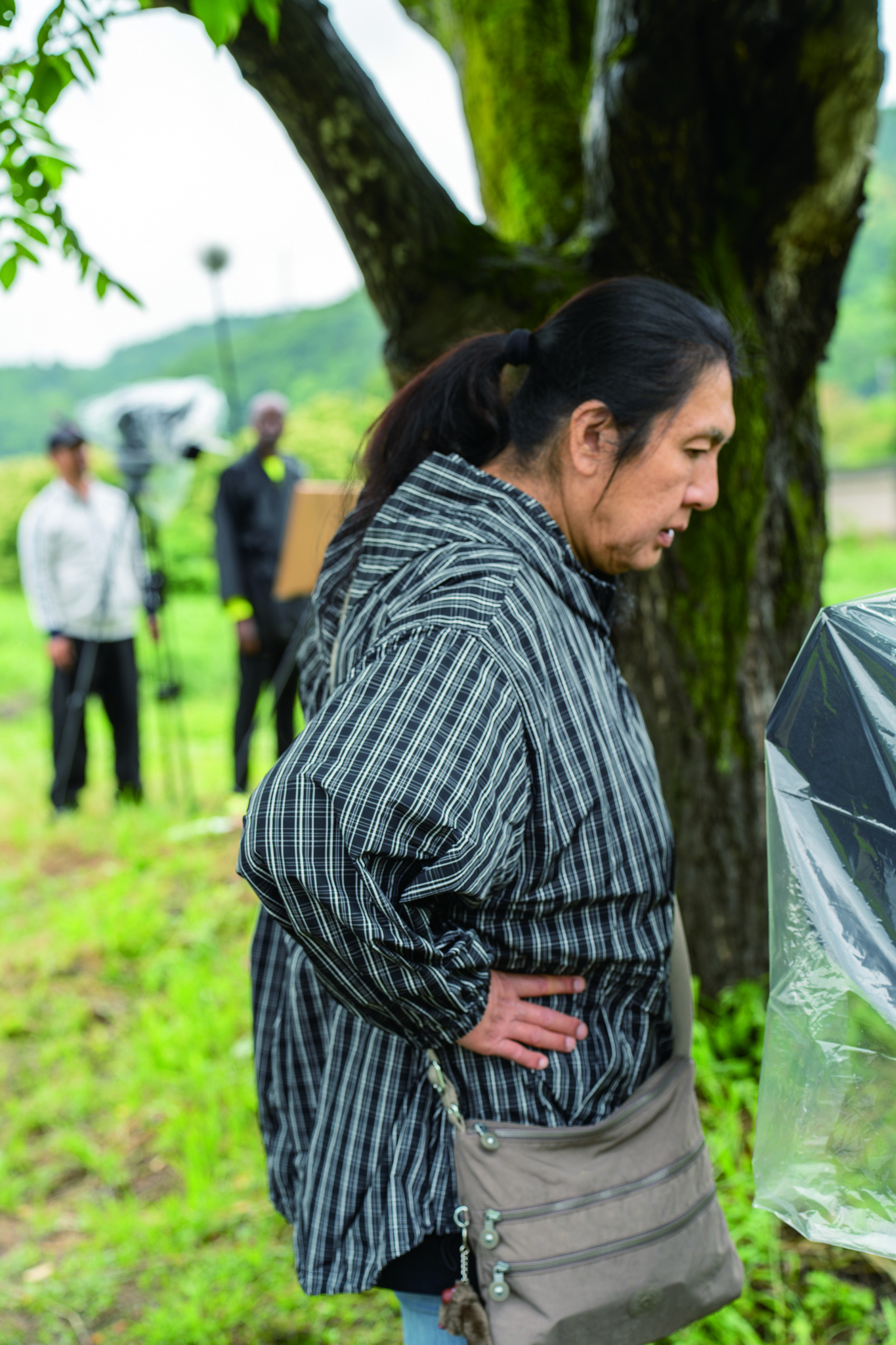 Tomosuke Sugisakicovered Jōmon-period pottery and stone tools, as well as worked artifacts madeof obsidian and jade. While entering the business world during high school, he also traveled extensively in Japan and abroad in search of local folklore and legends.
Fond of mathematics and physics, he majored in biophysics at university. He proposed the theory that “spirits are plasma-based life forms,” and his graduation thesis focused on the holographic principle (cosmology), arguing that the universe is a virtual space. At the time, these ideas were ridiculed by those around him as eccentric, but in recent years they have gained a sense of realism.
He has written over 5,000 radio drama scripts and is also active as a lyricist and composer. He served as the original author, screenwriter, and director of the film "Spirits".
杉崎智介監督の映画『RAIJIN』(映画『千年湯屋』の英語タイト ル)が、カナダの国際映画祭 Pickering Canada International Film Festival 2026 で最優秀作品賞特別賞を受賞!ピカリング市はトロントの隣りで、世界最大級のオープセット(映画撮影用の架空の都市)があり、ハリウッド映画の撮影も行われています。(2026年8月2日のニュース)
杉崎智介監督の映画『RAIJIN』(映画『千年湯屋』の英語タイトル)が、カナダの国際映画祭、GOLDEN NUGGET International Film Festiv al 2026で最優秀作品賞(長編)を受賞。
July 14, 2026 — Director Tomosuke Sugisaki's feature film RAIJIN has won the Best Feature Film Award at the Golden Nugget International Film Festival 2026 in Canada.
杉崎智介監督の映画『RAIJIN』(映画『千年湯屋』の英語タイトル)が、カナダの国際映画祭、Pickering Canada International Film Festival 2026でofficial selectionに選出されました。
July 14, 2026 — Director Tomosuke Sugisaki's feature film RAIJIN has been selected as an Official Selection for the Pickering Canada International Film Festival 2026 in Canada.
スペイン・マドリードの国際映画祭FICIMADで杉崎智介監督の映画『RAIJIN』(映画『千年湯屋』の英語タイトル)が最優秀ファンタジー作品賞を受賞しました。
2026年6月21日、スペイン・マドリードの国際映画祭FICIMADで杉崎智介監督の映画『RAIJIN』(映画『千年湯屋』の英語タイトル)が、以下の評価を添えて、最優秀ファンタジー作品賞を受賞しました。
On June 21, 2026, at FICIMAD (Festival Internacional de Cine Independiente de Madrid) in Madrid, Spain, director Tomosuke Sugisaki's film "RAIJIN" (the English title of Sennen Yuya) won the Best Fantasy Feature Award, accompanied by the following commendation:
FICIMAD (Festival Internacional de Cine Independiente de Madrid):
-Sennen Yuya (RAIJIN) Tomosuke Sugisaki
Tomosuke Sugisaki achieves a fusion of the delicate and the spectacular, overflowing with his torrential narrative
sense in a blend of all kinds of cinematic genres, including techniques from the silent film era to the innovative and
groundbreaking use of artificial intelligence, to travel back in time to an age steeped in majesty, imagination, and
poetry. The director's knowledge of feudal Japanese history exudes nostalgia for epic adventures, extraordinary
settings and honorable characters. A born storyteller who reveres his alter ego, Kageharu Nagao (the emblematic
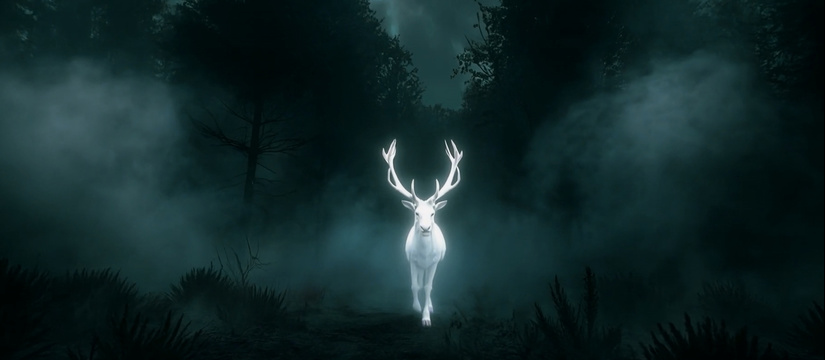
master castle builder), draws on Japanese mythological folklore (especially its Yokai and Hakutaku) and respects the
beauty of unsolved mysteries. His images are rich in detail, meticulously crafting a complex plot that constantly
challenges the viewer's sense of wonder.
杉崎智介監督の映画『RAIJIN』(映画『千年湯屋』の英語タイトル)が、ドイツ・ハンブルクで開催されたJFFHハンブルク日本映画祭2026において、2026年6月18日に映画館 Studio-Kinoにて上映されました。 作品はもちろん舞台挨拶も大好評をいただきました。 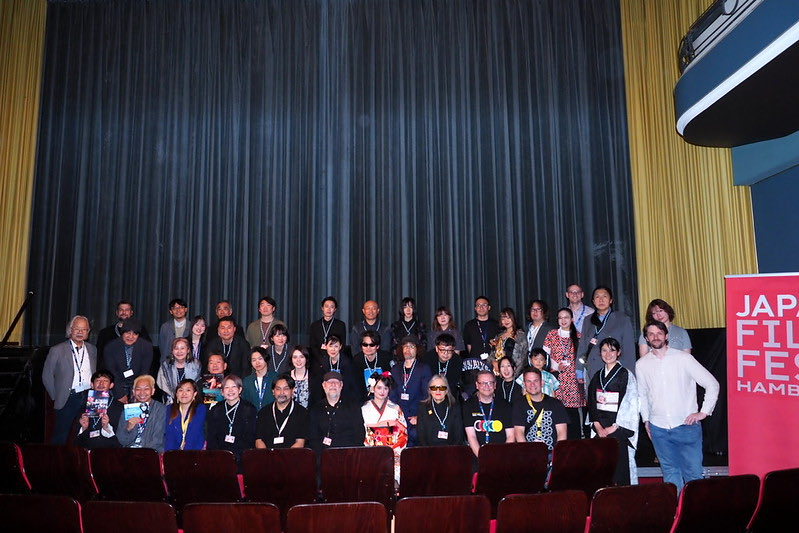 Director Tomoyuki Sugisaki's film "RAIJIN" was screened at JFFH Hamburg Japanese Film Festival 2026 in Hamburg, Germany, at Studio-Kino on June 18, 2026.
The film was very well received, and the post-screening stage greeting by Director Sugisaki was also met with an enthusiastic response from the audience.
映画『RAIJIN』が、スペインの国際映画祭FICIMADにofficial selectionで選出されました。
 2026年6月9日、スペイン・マドリードの国際映画祭FICIMADに杉崎智介監督の映画『RAIJIN』(映画『千年湯屋』の英語タイトル)がofficial selectionで選出され、スペインでの上映が決まりました。
June 9, 2026 — Director Tomosuke Sugisaki's film RAIJIN has been officially selected for the international film festival FICIMAD in Madrid, Spain.Following its Official Selection, the film is scheduled to be screened in Spain as part of the festival program.
映画『RAIJIN』が、ICE MOVIE AWARDS 2026でベスト・ファンタジー賞を受賞しました。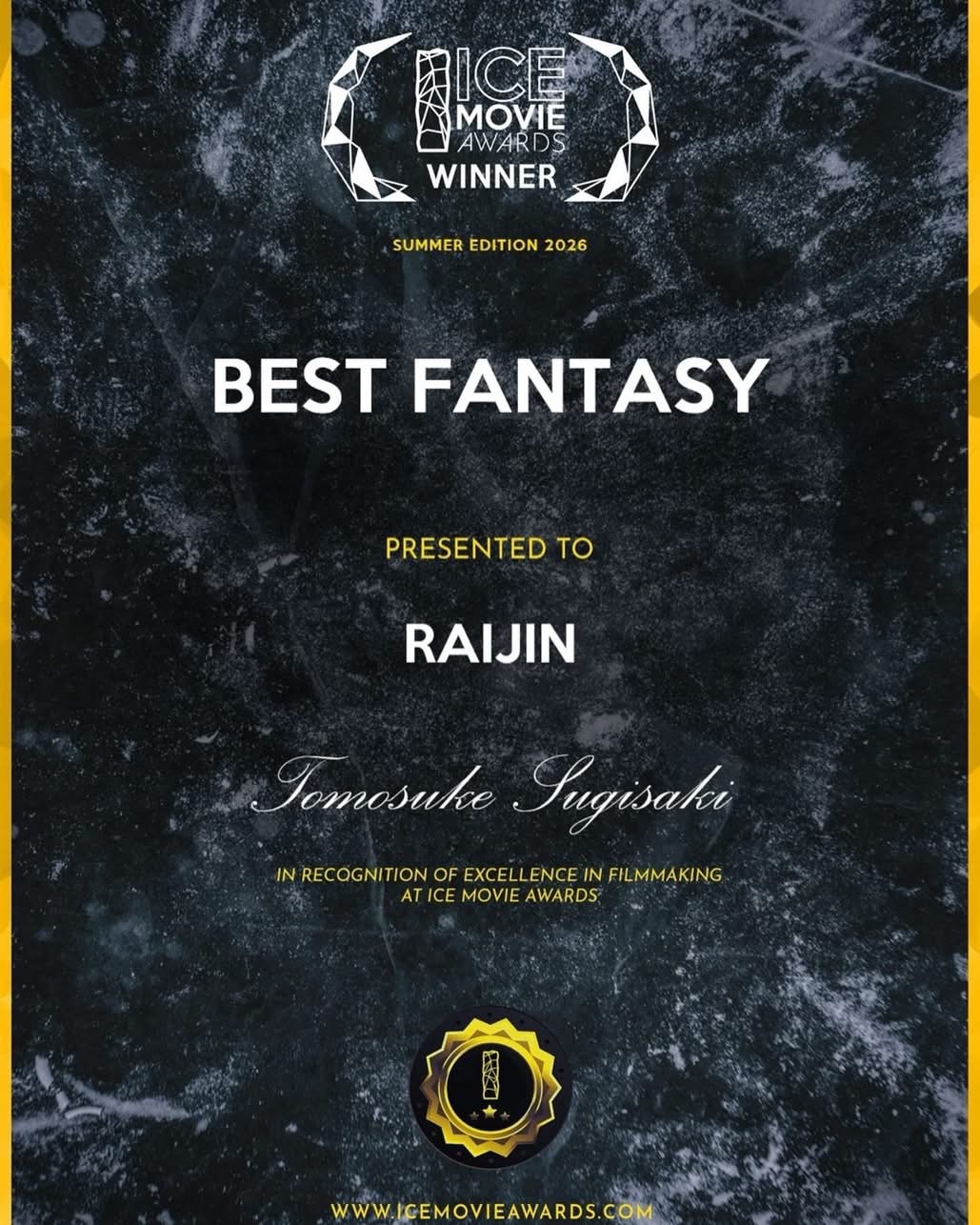 2026年6月4日、フランスのアルプス、クールシュヴェルで開催される映画祭・ICE MOVIE AWARDS 2026 にてベスト・ファンタジー賞を受賞しました。
June 4, 2026
Courchevel, France — Director Tomosuke Sugisaki’s film RAIJIN has won the BEST FANTASY AWARD at ICE MOVIE AWARDS 2026, held in Courchevel in the French Alps.
映画『RAIJIN』が、RED MOVIE AWARDS 2026で特別賞を受賞。 2026年5月31日、杉崎智介監督の映画『RAIJIN』(映画『千年湯屋』の英語タイトル)が、フランスの国際映画祭RED MOVIE AWARDS 2026で特別賞を受賞しました。
May 31, 2026
Tomosuke Sugisaki’s film RAIJIN has won a HONORABLE MENTION at the Red Movie Awards 2026.
映画『RAIJIN』が、2027年にフランス・ランスで開催される国際映画祭Red Movie Awards 2026のオフィシャル・セレクションに選出! 2026年5月25日、杉崎智介監督の映画『RAIJIN』(映画『千年湯屋』の英語タイトル)が来年フランス・ランスで開催される国際映画祭Red Movie Awards 2026のオフィシャル・セレクションに選出されました。
On May 25, 2026, director Tomosuke Sugisaki’s film RAIJIN was officially selected for Red Movie Awards 2026, an international film festival to be held in 2027 in Reims, France.
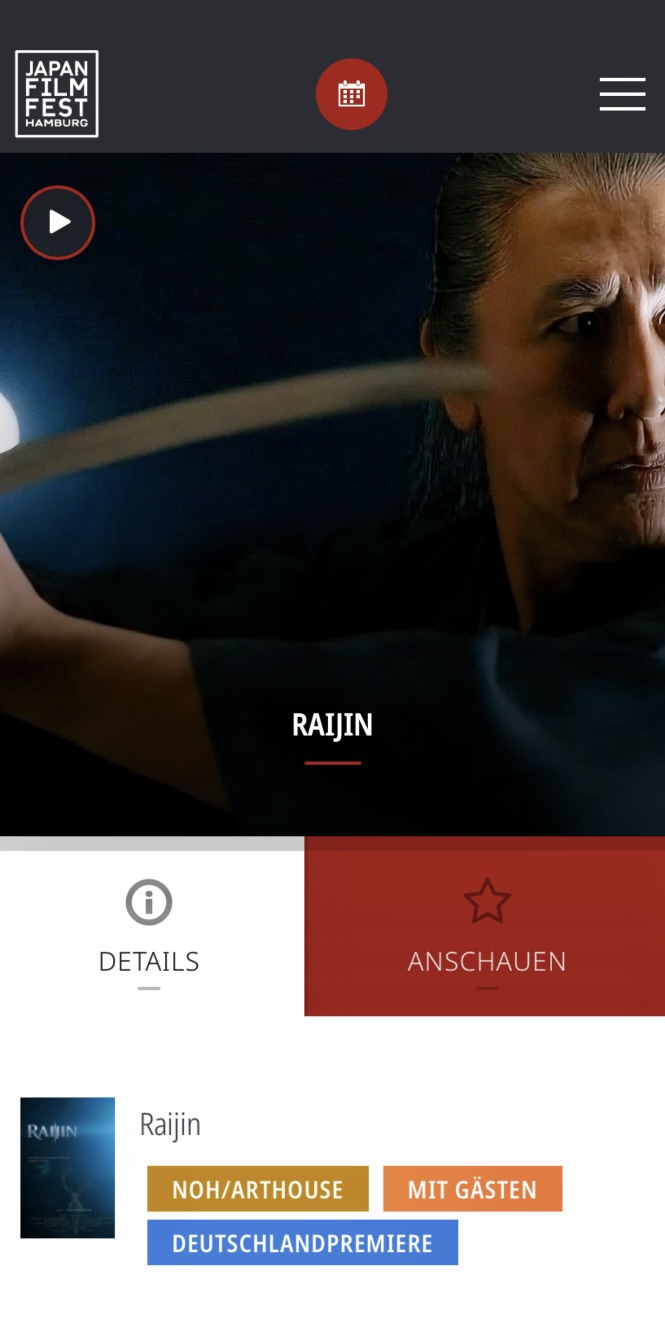 映画『RAIJIN』が、ハンブルク日本映画祭2026での上映決定!舞台挨拶は、6月18日18:00より!
2026年5月20日、杉崎智介監督の映画『RAIJIN』(映画『千年湯屋』の英語タイトル)が、ハンブルク日本映画祭2026での上映が決定。 2026年6月18日18:00より舞台挨拶を予定しています。May 20, 2026 Director Tomosuke Sugisaki’s film RAIJIN has been selected for screening at the JAPAN FILM FEST HAMBURG 2026. A stage greeting is scheduled for June 18, 2026, at 18:00.
https://jffh.de/de/festivals/27-jffh-2026/node69ff06565ee62.html
映画『RAIJIN』が、ニューヨーク国際映画祭2026のダイアモンド・グローブ賞で最優秀映画賞受賞!
Tomosuke Sugisaki Wins Diamond Globe Award!
2026年4月24日、 杉崎智介監督の映画『RAIJIN』(映画『千年湯屋』の英語タイトル)が、ニューヨーク国際映画祭2026のダイアモンド・グローブ賞で、制作費25万ドル未満の低予算映画部門の最優秀映画賞を受賞しました!
April 24, 2026
Tomosuke Sugisaki has won the Diamond Globe Award at the International New York Film Festival.His work RAIJIN received the award for Best Feature under $250,000.The award was presented on April 24, 2026.
映画『RAIJIN』が、ニューヨーク国際映画祭2026のダイアモンド・グローブ賞にノミネートされました。
2026年4月17日、 杉崎智介監督の映画『RAIJIN』(映画『千年湯屋』の英語タイトル)が、ニューヨーク国際映画祭2026のダイアモンド・グローブ賞にノミネートされました。
On April 17, 2026, the film RAIJIN, directed by Tomosuke Sugisaki, was nominated for the Diamond Globe Award at the New York International Film Festival 2026.
映画『RAIJIN』が、ニース国際映画祭2026に正式出品され、ReeSyaが主演女優賞にノミネートされました。
2026年4月17日、 杉崎智介監督の映画『RAIJIN』(映画『千年湯屋』の英語タイトル)が、ニース国際映画祭2026に正式出品され、ReeSyaが主演女優賞にノミネートされました。
“RAIJIN” Officially Selected for Nice International Film Festival 2026, ReeSya Nominated for Best Actress.
On April 17, 2026, The film RAIJIN, directed by Tomosuke Sugisaki , has been officially selected for the Nice International Film Festival 2026. In addition, lead actress ReeSya has been nominated for the Best Actress award.
杉崎智介監督の映画『RAIJIN』(映画『千年湯屋』の英語タイトル)が、ロサンゼルスの国際映画祭、BHIFF2026でfinalistに選出!
Director Tomosuke Sugisaki’s film RAIJIN has been selected as a finalist at the Beyond Hollywood International Film Festival (BHIFF) 2026 in Los Angeles, USA.
2026年4月12日、杉崎智介監督の映画『RAIJIN』(映画『千年湯屋』の英語タイトル)が、アメリカ・ロサンゼルスの国際映画祭、BHIFF(Beyond Hollywood International Film Festival)2026でfinalistに選出されました。
April 12, 2026, The film RAIJIN, directed by Tomosuke Sugisaki, has been selected as a finalist at the Beyond Hollywood International Film Festival (BHIFF) 2026 in Los Angeles, USA.
杉崎智介監督の映画『RAIJIN』(映画『千年湯屋』の英語タイトル)が、ニューヨーク国際映画祭2026において、作品賞にノミネートされました。
“RAIJIN” Directed by Tomosuke Sugisaki Nominated at New York International Film Festival 2026
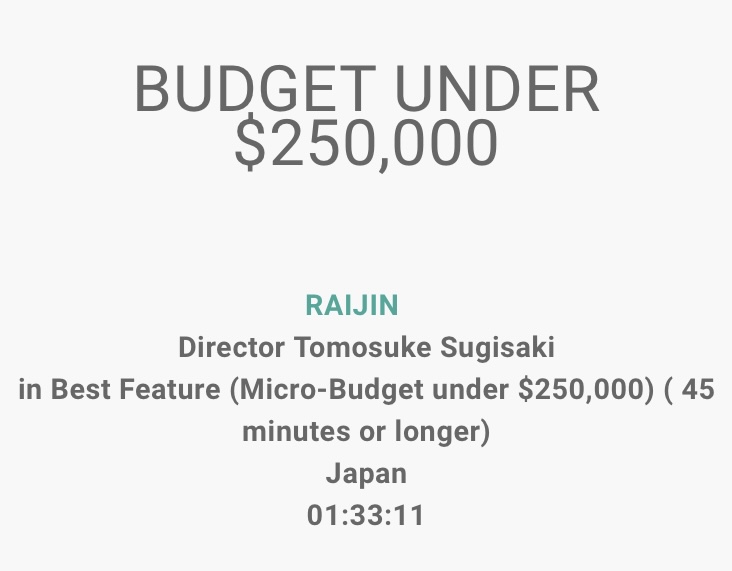
2026年4月1日、杉崎智介監督の映画『RAIJIN』(映画『千年湯屋』の英語タイトル)が、ニューヨーク国際映画祭2026において、作品賞(低予算長編映画部門)にノミネートされました。
April 1, 2026, The film RAIJIN, directed by Tomosuke Sugisaki, has been officially nominated at the New York International Film Festival 2026.The film has been selected in the Best Feature (Micro-Budget under $250,000) category, which recognizes feature-length films of 45 minutes or longer produced on a limited budget.
杉崎智介監督の映画『RAIJIN』(映画『千年湯屋』)がスウェーデンのルレオ国際映画祭で「最優秀映画賞」と「最優秀監督賞」の2冠!
RAIJIN, a film by director Tomosuke Sugisaki won two awards at the Luleå International Film Festival in Sweden: Best Feature Film and Best Director Feature Film.
2026年3月23日、杉崎智介監督の映画『RAIJIN』(映画『千年湯屋』の海外向けタイトル)が、スウェーデンのルレオ国際映画祭2026年2月度(Lulea International Film Festival -february 2026 )において、「最優秀長編映画賞」(Best Feature Film)、「最優秀監督賞」(Best Director Feature Film)の2冠!
https://www.luleafilmfestival.com/category/winners/february-2026/
On March 23, 2026, the film RAIJIN, directed by Tomosuke Sugisaki (the international title of Sennen Yūya), won two awards at the Luleå International Film Festival – February 2026 in Sweden: Best Feature Film and Best Director Feature Film.
杉崎智介監督の映画『RAIJIN』(映画『千年湯屋』)がイタリアの国際映画祭で高い評価を受けました。
Toshisuke Sugisaki’s film RAIJIN received high praise at an international film festival in Italy. 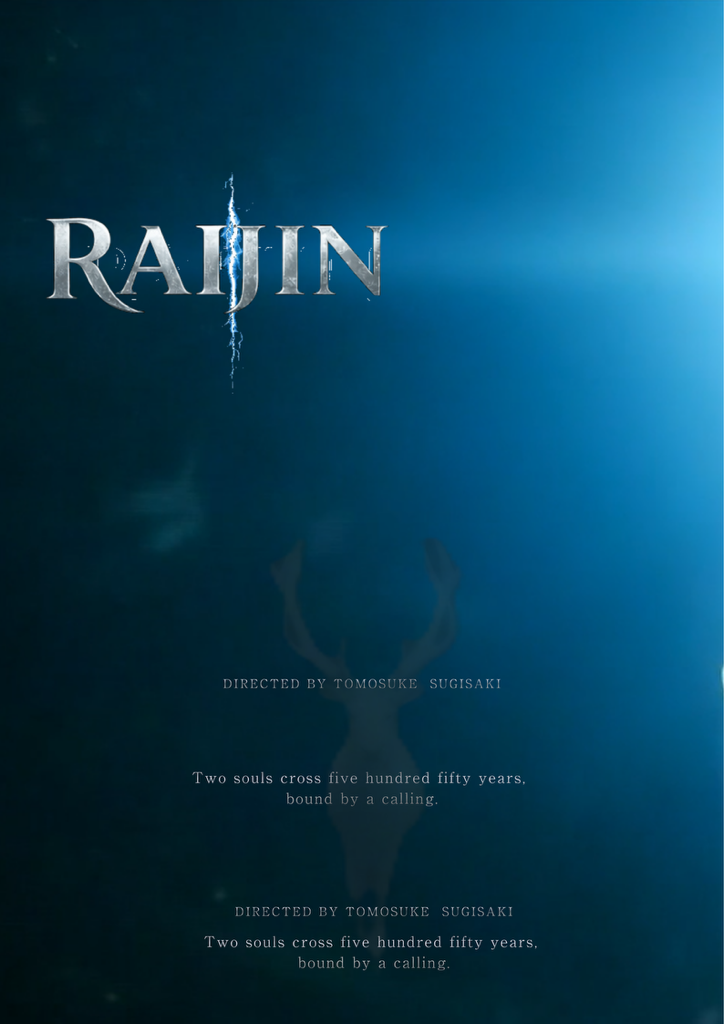

2026年3月7日、杉崎智介監督の映画『RAIJIN』(映画『千年湯屋』の海外向けタイトル)がイタリアの国際映画祭Rome Prisma Film Awardsにて Monthy Pickとして選出されました。
On March 7, 2026, director Toshisuke Sugisaki’s film RAIJIN was selected as a Monthly Pick at the Rome Prisma Film Awards, an international film festival held in Italy.